Leica M10-R review
The Leica M10-R is the most accomplished digital M to date. In this concise review, Kevin Carter takes a look.
What is it?
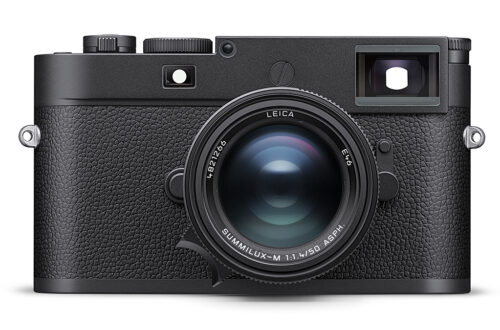
The Leica M10-R is a high-resolution version of the Leica M10 rangefinder. According to a spokesperson at Leica, “the new higher-resolution sensor has been added to the range to accommodate the demands of professionals and ADs (art directors) requiring the extra flexibility of larger image dimensions during post-production.”
The new M10-R model adopts the familiar body and layout of the original Leica M-10, complete with a new full-frame 40.89MP RGB CMOS sensor, sans AA filter, and native ISO 100-50,000 sensitivity. In addition to higher resolution, Leica also claims a wider dynamic range than the 24MP CMOS sensor in the original M10 series, up to 13.5 stops. Another benefit of the new sensor is lower noise at high ISOs, with lower colour noise at ISO6400 than the current M10.

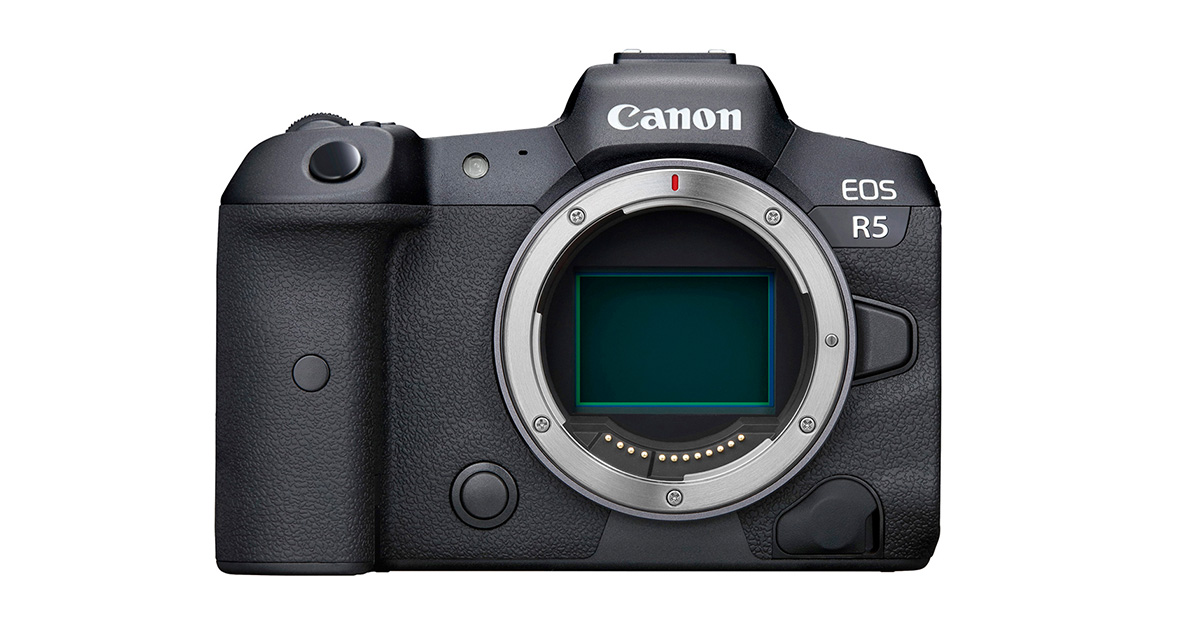
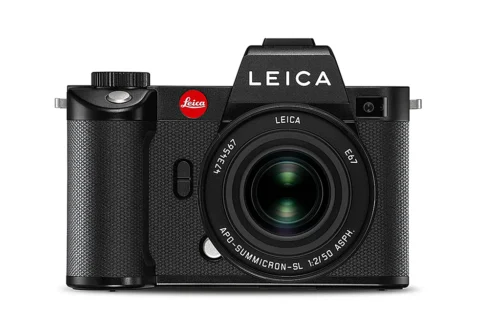
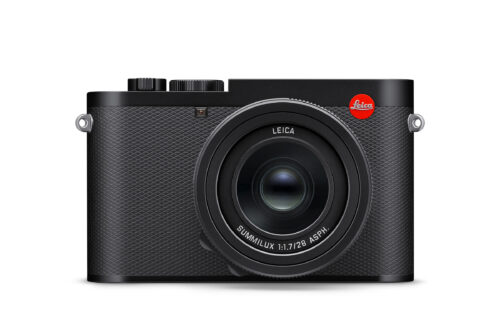
According to the same Leica spokesperson during the UK press briefing, the “unique” full-frame sensor was designed specifically for the compact dimensions of the M body, which precluded the use of the 47MP CMOS found in the Leica SL2 and Leica Q2. This, it was mentioned, is more to do with the thickness of the sensor, micro-lenses (which are highly convex to reduce vignetting) and cover glass, than the length and height. Even though the Leica Q2 is similar in size to the Leica M10-R, there’s less room inside the digital M body. While film Ms use a horizontal running cloth shutter, digital Ms feature a vertical-running type adapted from the Leica R8/9 SLR shutters.
Furthermore, this is why there’s no in-body stabilisation either: the body must adopt an oversized (larger than a 35mm) focal-plane shutter to accommodate sensor movement. The Leica Q2, on the other hand, has IS, but it’s optical (OIS).
How does it handle?
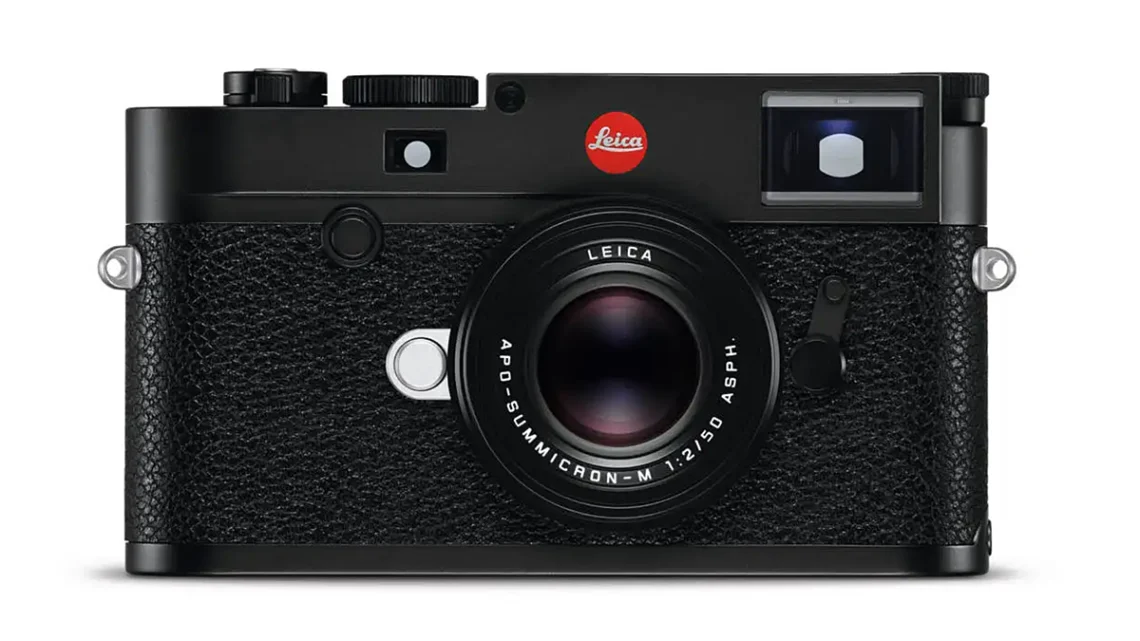
In the hands, the Leica M10-R feels very similar to the M10, meaning it appears well-constructed and the layout identical, as it should, as supposedly only the sensor is different. At the rear, it has the same large optical viewfinder, which was improved over the Leica M240’s. Three buttons arranged vertically are located to the left of the LCD, labelled LV (live view), Play (playback) and Menu, while the d-pad and rear command-style dial are within easy reach of your right-hand thumb. With these cameras, I usually assign Exposure Compensation to the rear command dial for times when I use Aperture Priority, and set the ISO dial on the top plate to Auto or ISO 100 or 400. However, it’s as easy to use Manual Exposure and adjust exposure using the aperture ring or shutter speed dial on the top plate: the selected shutter speed and exposure indicators are shown in the viewfinder. I don’t use in-camera JPEGs, so once set up, with WB set to Auto, there’s hardly a reason to visit the menu. This makes the shooting process incredibly streamlined and easier to stay in the “zone.”
The new M10-R also has the same quiet mechanical shutter as the M10-P, but with an extended exposure time of up to 16 minutes (stepless in Aperture priority mode, half stops to 8 secs in Manual exposure mode and then whole stops to 16 minutes), for nighttime and low-light shots.
How does it perform?
Continuous shooting is slightly slower at 4.5 fps maximum (down from 5 fps); however, overall handling of the large files is little different to the Leica M10-P, with images displayed quickly on the rear screen. Even so, the 2GB buffer hasn’t been expanded, and there’s no integrated WiFi module. Battery life using the same BP-SCL5 1100mAh battery is similar. I recommend getting at least one extra as a bare minimum, and certainly two or more if using Liveview or optional EVF frequently. In terms of the sensor performance, the Leica M10-R is the best in the series. Low noise and an expansive dynamic range at base mean the Leica M10-R easily outperforms the Leica M10/10-P models while providing a generous increase in resolution.
Wrapping up
While there wasn’t much difference between the Leica M/M-P and Leica M10/10-P models in terms of performance, this model is arguably what the original M-10, as the update to the Leica M (M240), should have been. Admittedly, the improvements made to the camera were significant, such as the thinner body, improved viewfinder and menu, but with this new sensor, the Leica M10-R is simply the most compelling model yet.
At £7,100 (inc VAT), the hi-res M10-R is slightly less expensive than expected. It’s lower than the M10-Monochrom at £7,400, just £500 more than the M10-P at £6,600, and £400 more than the screen-less M10-D. In the US, pricing among the M models is slightly different. At the expected $8295, the hi-res M10-R is some $500 less than the M10-P or the M10-D, both of which are $8,795 (USD).
The new camera is available in silver chrome and black chrome finishes.
Note this review was conducted during the third COVID national lockdown in the UK.
Check price
Update: the Leica M10-R has been succeeded by the Leica M11, see my review here.
Key specifications
- 40.89 MP full-frame RGB CMOS sensor sans AA filter
- ISO 100-50,000
- Bright line viewfinder with frame lines for 35/135, 28/90 and 50/75mm
- 50.6mm base RF with 0.73x mag
- 3-in LCD 1.04 million dot touchscreen with Gorilla glass cover
- 1/4000 sec to 16 mins (A and Manual mode)
- 4.5 fps (2GB buffer)
- BP-SCL5 1100mAh battery
- 139 x 38.5 x 80mm
- 660g with battery
- Silver chrome/black chrome
- £7,100 / $8295