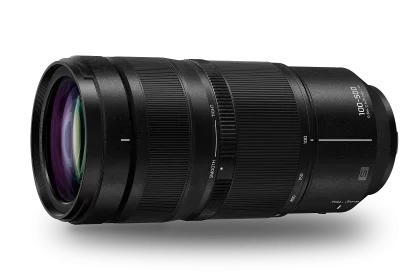
This is a rolling review Key Features and Benefits of the Panasonic Lumix S 100-500 mm F5-7.1 What Is It? The Panasonic Lumix S 100-500mm is a premium, high-end zoom (not an out-and-out pro-lev...
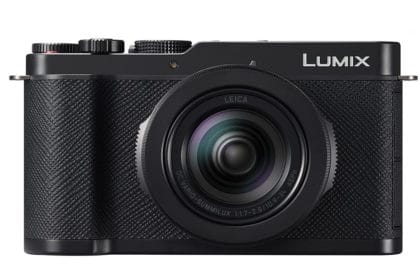
This is a rolling review and, as such, will be continuously updated. At a Glance Model Panasonic Lumix L10 (DC-L10) Announcement Date June 2026 Launch Price $1,499.99 Sensor 20.4MP Multi-Aspect Micro...
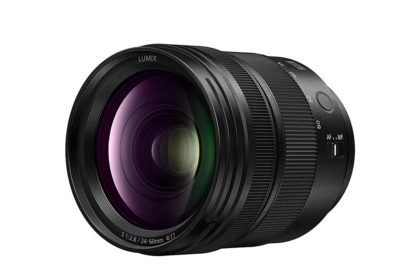
Key Features and Benefits of the Panasonic Lumix S 24-60mm F2.8 Smaller and lighter weight than a 24-70mm F2.8 One Ultra ED and two ED glass elements to minimise fringing Three aspherical elements to ...
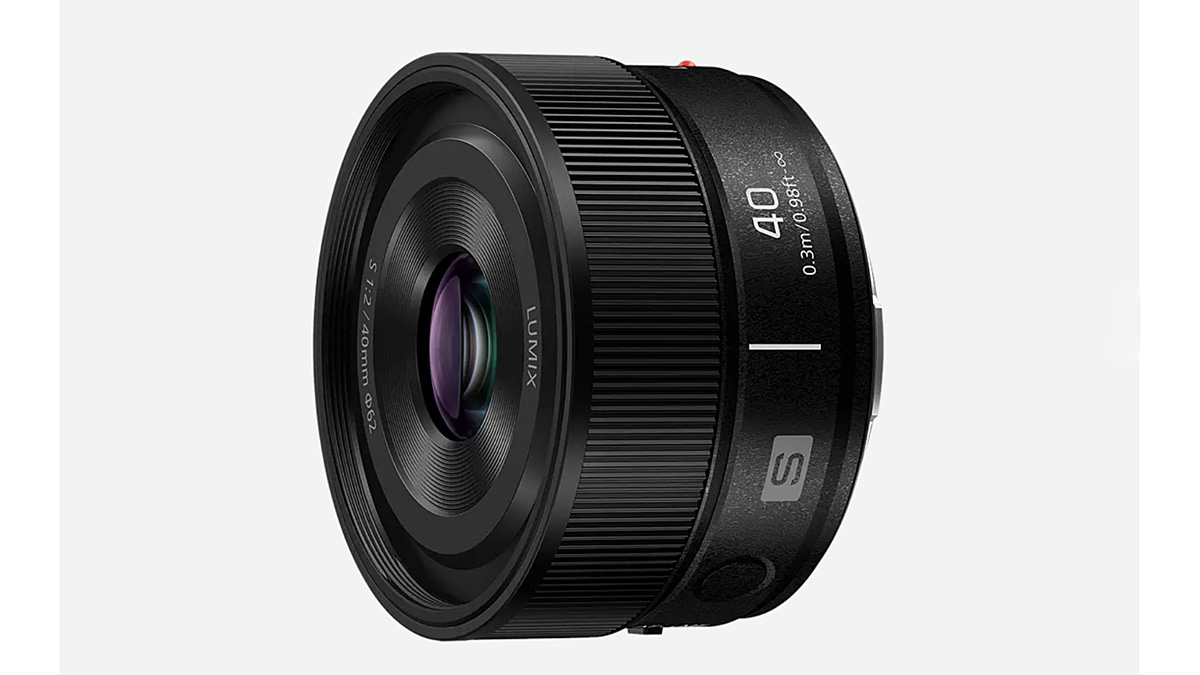
The Panasonic Lumix S 40mm F2 is an unusually compact standard lens for the L-Mount system. At just 144g and 41mm long, it suits street, documentary, travel and everyday photography. Its 40mm focal le...

After my review of the unpadded Manfrotto MBAG80N, I thought I would write about the largest in the range, the padded Manfrotto MBAG120PN. This is a beast of a bag, but I bought it to transport a beas...

Tripods are awkward to transport and store, and to make matters worse, they’re often supplied without a bag or case. If you want to use your tripod more, a bag is a good way to get it out of the close...
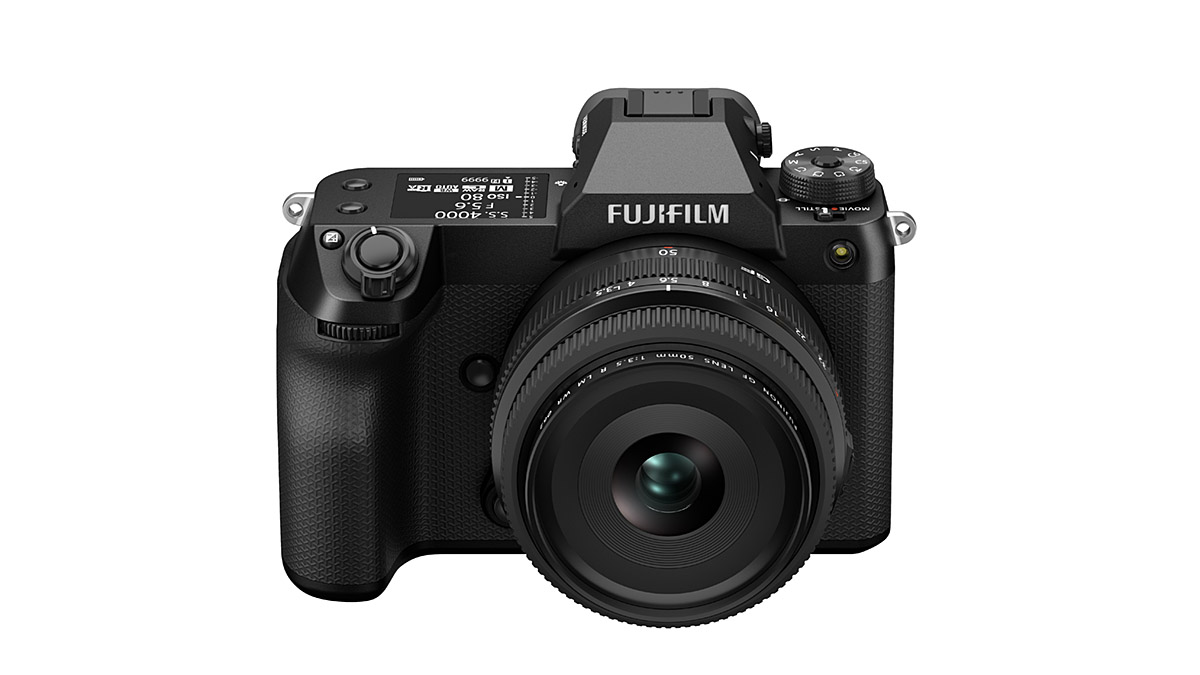
What is it? Released in June, 2024, the Fujifilm GFX100S II is an update to the Fujifilm GFX100S, the smaller, more compact model that sits just beneath the flagship Fujifilm GFX100 II. It features a ...
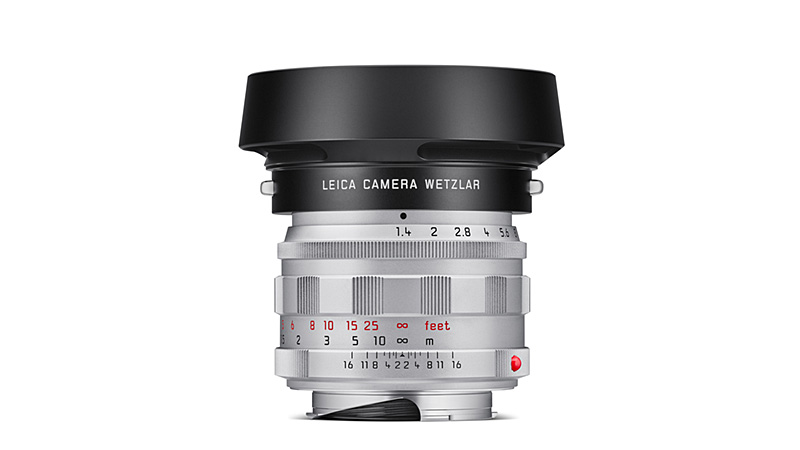
Leica recently launched a new version of its classic Summilux-M 50 F1.4 lens from 1959. Kevin Carter takes a look. As the fifth in the Classic Line series, following the Summaron-M 28 F5.6, Tha...
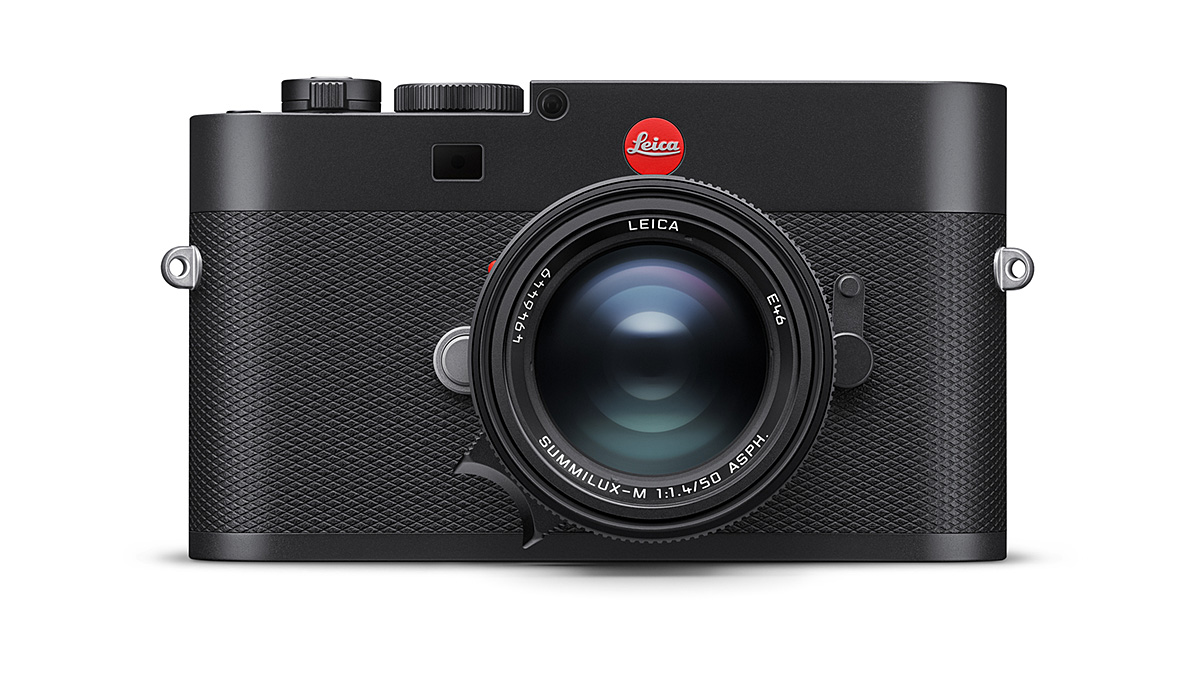
What Is the Leica M EV1 The Leica M EV1 is a long-rumoured model based on the Leica M11 body and M-mount, but with an electronic viewfinder rather than an optical rangefinder. It’s a feature that̵...
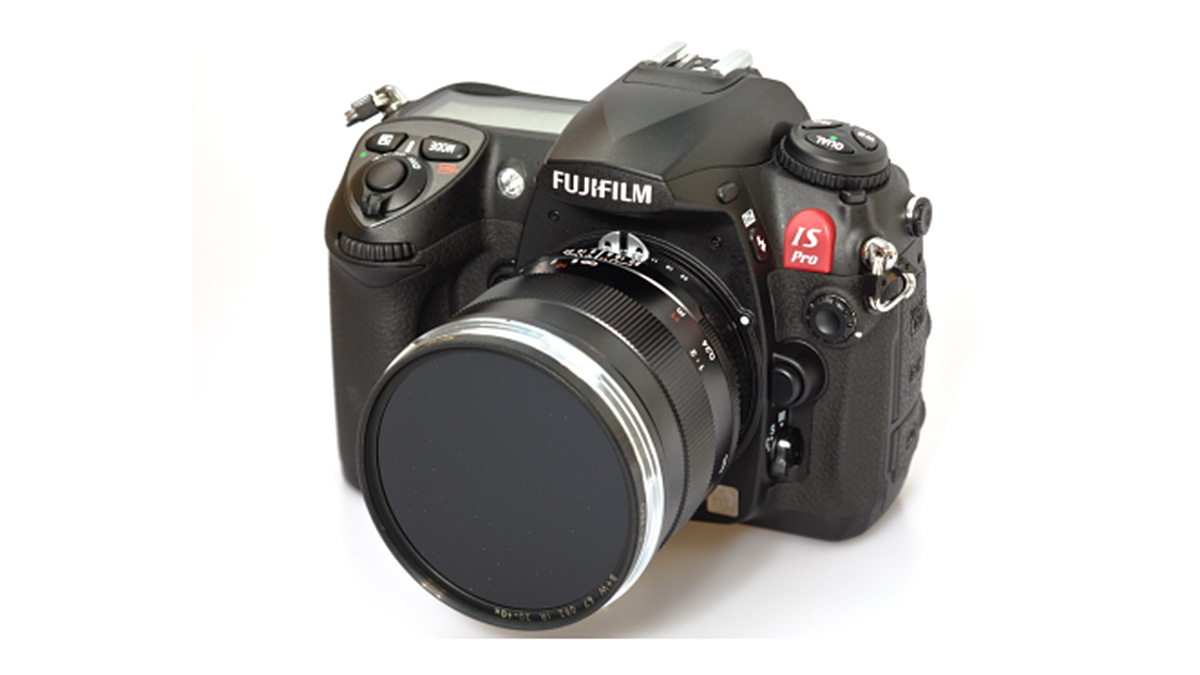
The Fujifilm IS Pro DSLR is the update to the maker’s earlier S3 UV-IR camera, and like that particular camera, the IS Pro adopts a modified image sensor that’s not shielded from UV or IR light. Conse...

