News
Filter sizes for Canon EF lenses
Canon filter sizes are difficult to find, at least in a list form. At one time, all manufacturers went to the trouble to do so with printed brochures but now, with the internet, not so much. With the move to EOS R cameras and the highly capable and versatile EF-RF adaptors, the older EF lenses remain hugely popular. Indeed, with focusing accuracy as good if not better than the older DSLRs, especially when focused off-centre, EF lenses have seen a new lease of life. Filters for lens protection seem to divide opinions, however, I’m strongly in favour of them. Not only do they prevent fumbling with lens caps (keep those…
Filter sizes for Canon RF lenses
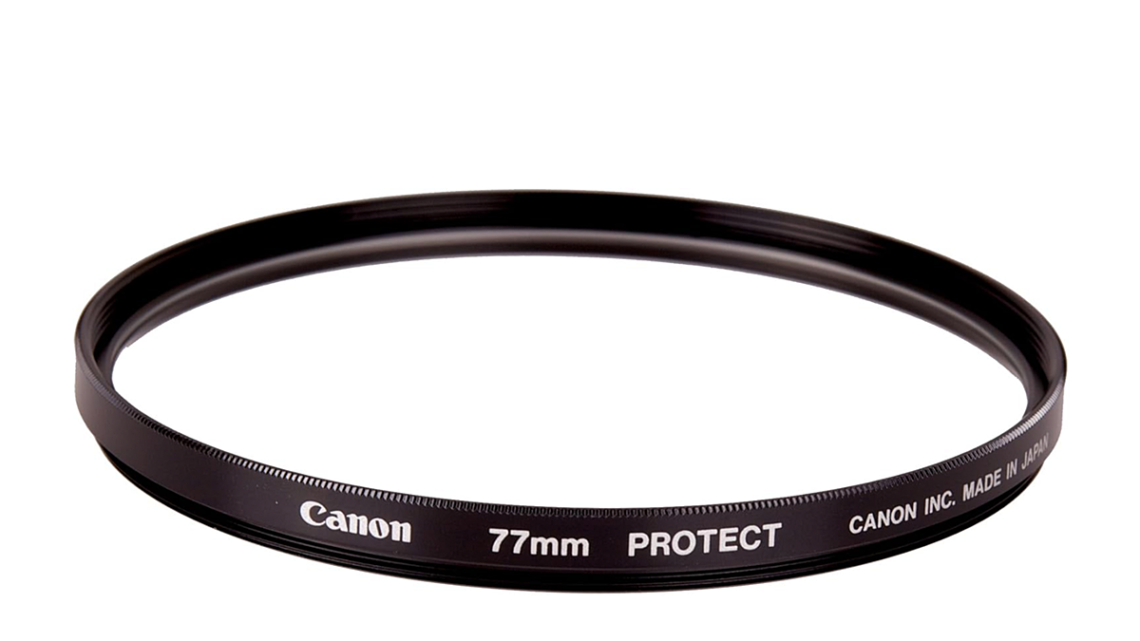
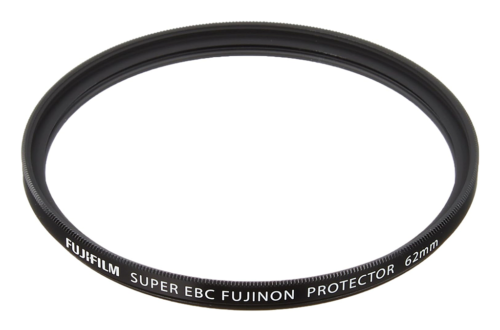
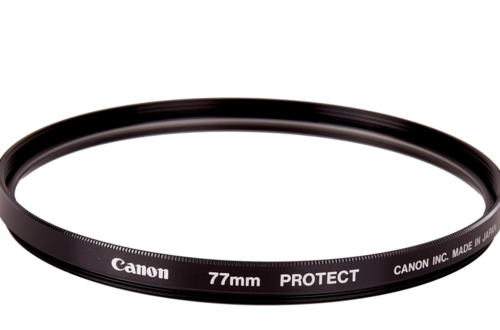
Manufacturers have favourite filter sizes. Canon, for example, often adopted 72mm and 77mm for L-series EF mount lenses but that has changed somewhat with the RF mount to 67mm, 77mm and 82mm being common sizes. Once a popular size on the original Canon FD breach-lock mount lenses from the 70s (not FDn), the 55mm filter thread size is also making a comeback. For Canon lenses, I recommend Canon ‘Protect’ or Protector filters as they’re extremely high quality. They’re also very reasonably priced, at least for the popular sizes. Sizes above 82mm are steep, though, so you could look for more competitive offerings such as the excellent Firecrest models for that…
Leica launches fifth New Classic lens, the Summilux-M 50 F1.4 from 1959
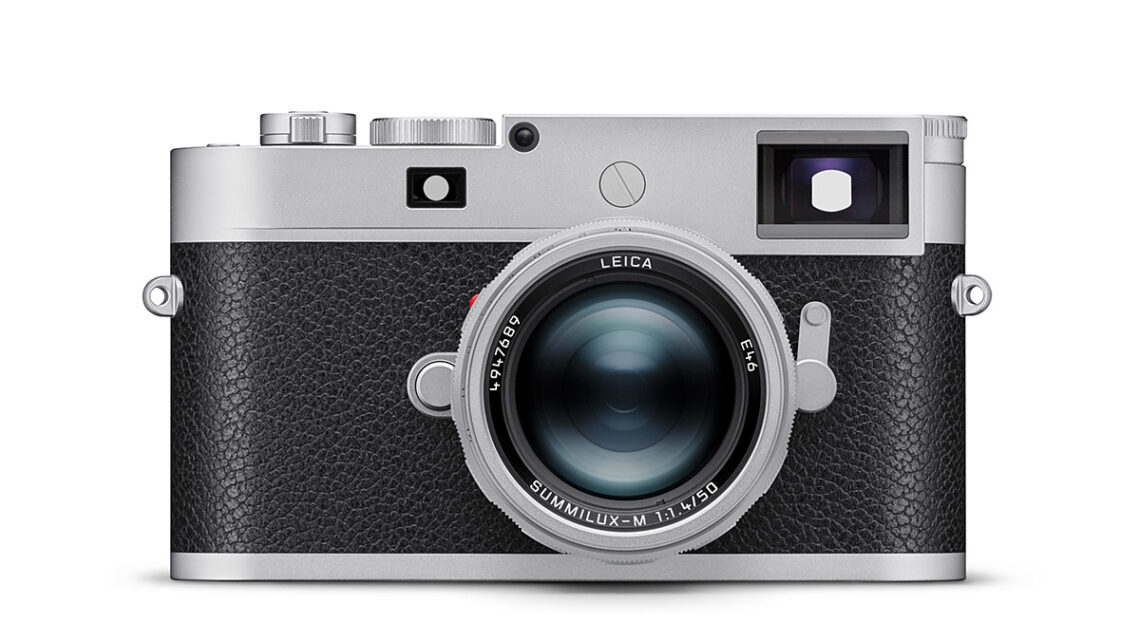
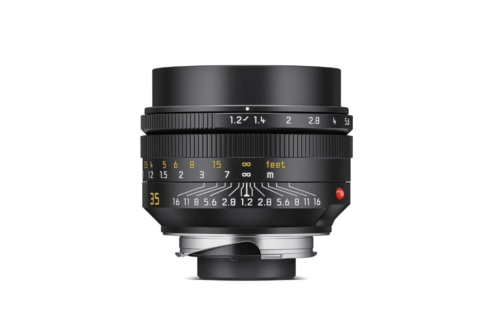
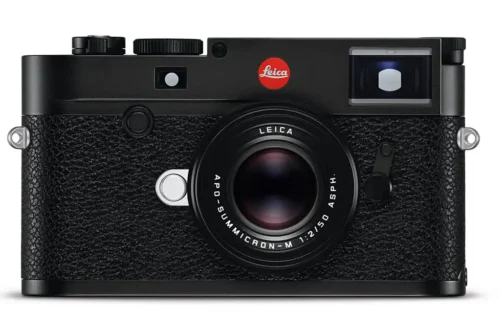
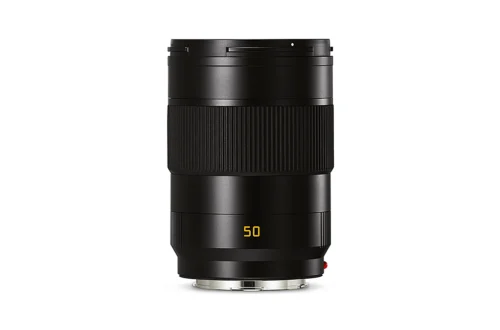
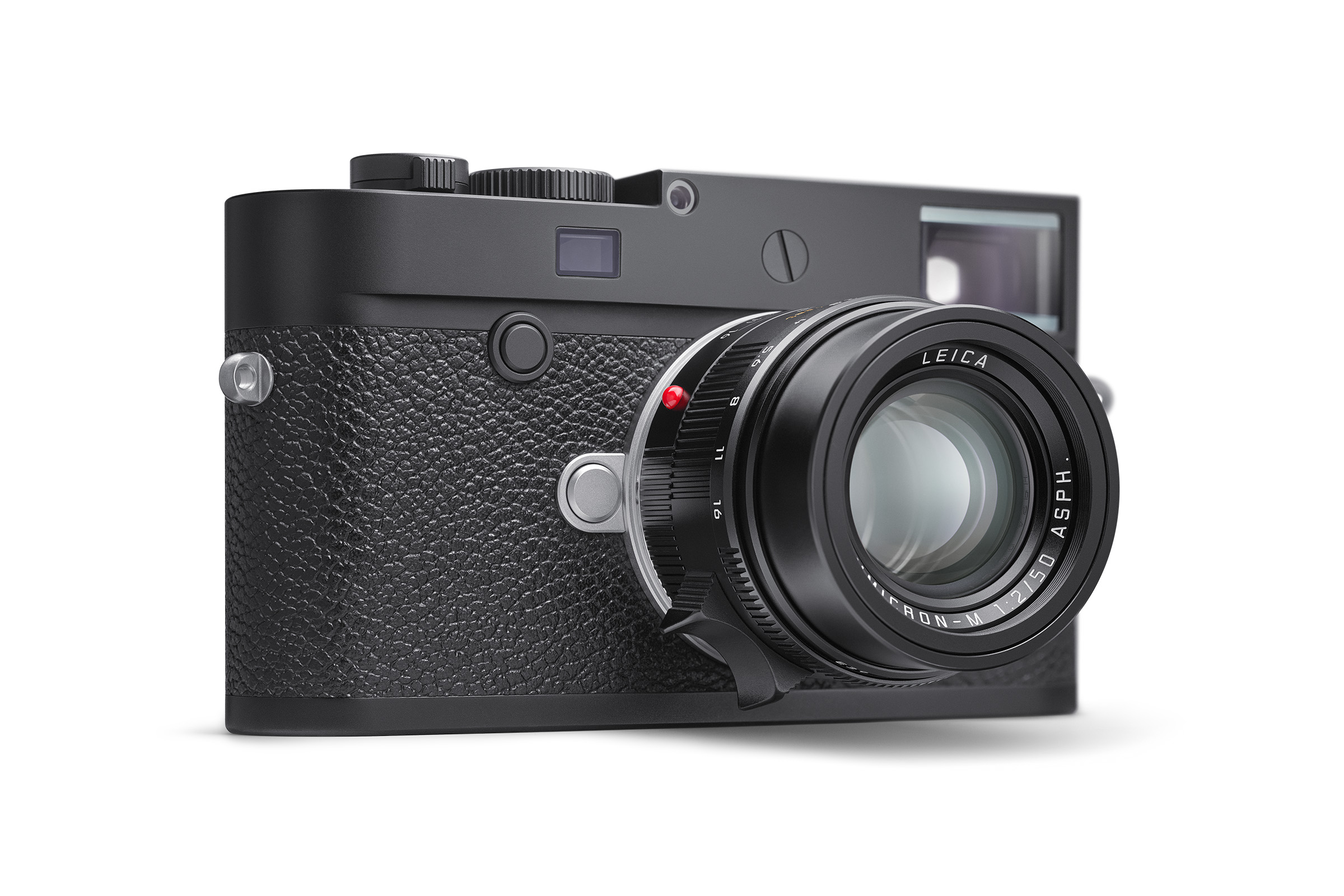
Leica is launching a new version of its classic Summilux-M 50 f/1.4 lens from 1959. As the fifth in the Classic Line series, following the Summaron-M 28 f/5.6, Thambar-M 90 f/2.2, Noctilux-M 50 f/1.2 ASPH, and the Summilux-M 35 f/1.4, the newly reissued M-mount model features vintage Leica styling, including a scalloped focusing ring and chrome-plated brass construction. To complete the vintage aesthetic, there’s even a circular, vented hood in black with chrome locking buttons. Optically, the lens is based on the second Summilux-M 50 f/1.4 (II) formula. The design promises highly attractive rendering, wide-open, with soft blur transitions to out-of-focus highlights. It is also said to deliver higher sharpness…
Leica SL3 review
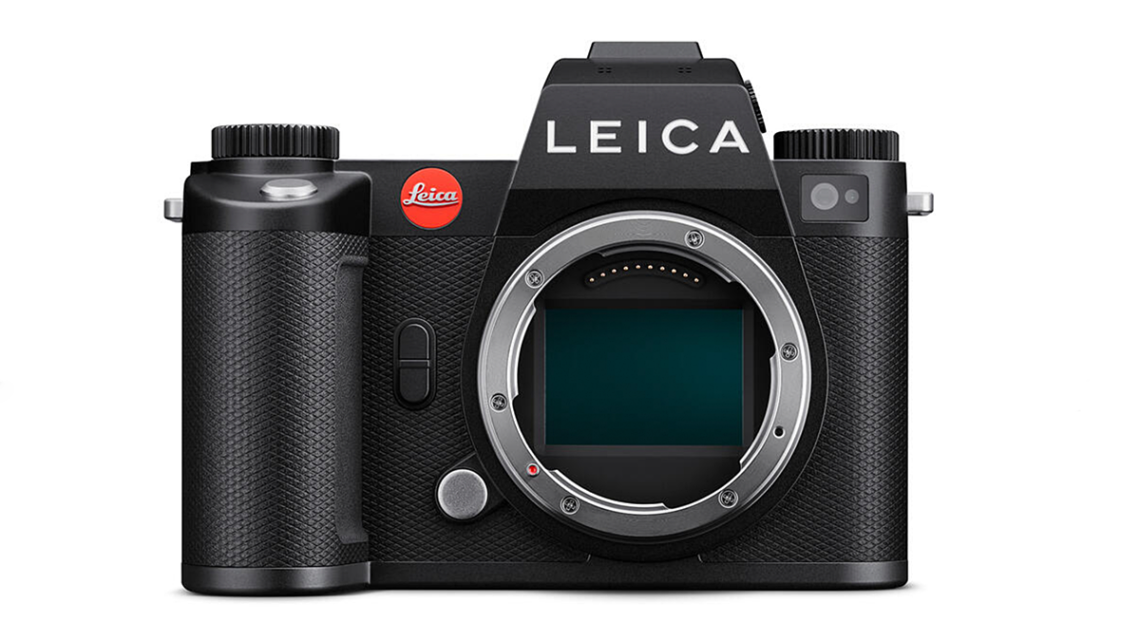
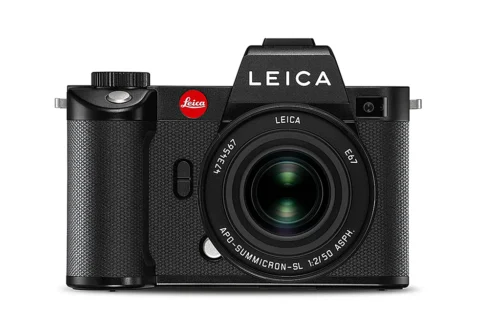
The Leica SL3 is the third in the series of mirrorless models, which started with the magnificently minimalist 24 MP Leica SL. I take a look at what’s changed and why you should buy it. What is it? The SL3 is the latest in the series and adopts the same body style as the 47 MP Leica SL2 and the 5-axis IS from that model, which was missing from the original SL. The headline specs are the increase in sensor resolution to 60 MP and the inclusion of hybrid AF with Depth from Defocus (DFD) tech to aid focusing accuracy. Fortunately, the photographer doesn’t need to know how this works,…
Leica SL3-S added to SL system
Leica has officially launched its latest mirrorless camera, the SL3, at a press event in Wetzlar, Germany. Building on the highly respected and robust design of its predecessors, the SL3-S features a 24.6-megapixel full-frame BSI CMOS sensor, enhanced autofocus capabilities, and improved low-light performance, making it a capable and flexible tool for both professional photographers and filmmakers. Stills highlights: 24 MP CMOS enhanced low-light BSI-type sensor ISO range: 50 – 200,000 5-axis IBIS, up to 5 EV correction New high-speed Hybrid-AF system AF continuous shooting at up to 30 fps (12-bit) or up to 5fps (14-bit) 48 and 96 MP multishot mode, handheld or tripod Tamper-proof metadata with Content Credentials…
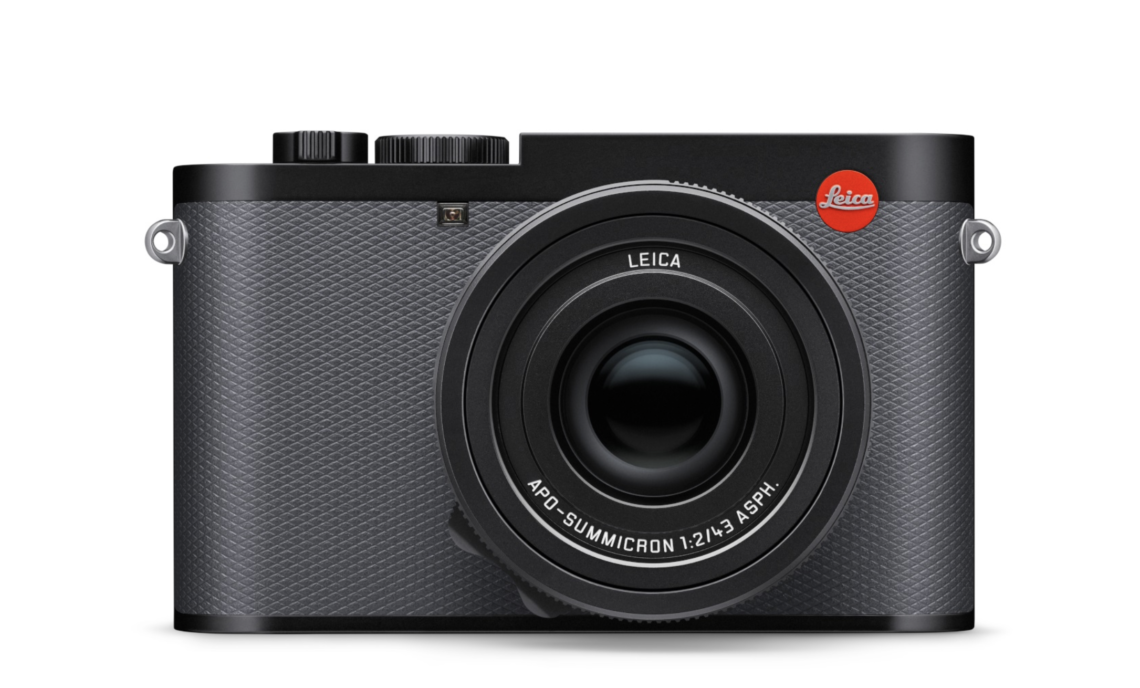
Leica Q3 43 review
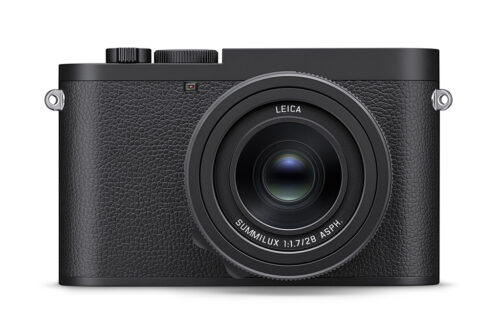
Leica’s Q3 43 builds on the success of the Q-series, adding a new 43mm F2 Apo lens to the 60 MP CMOS of the regular Leica Q3. Kevin Carter takes a look. With Canon and Nikon concentrating on niche genres like sports and action or the ‘content creator’, it’s hardly surprising when something like the Leica Q3 arrives to fill the void. And now it has been joined by the Leica Q3 43. While expensive, with better resale prices than rival makes when the time comes to upgrade, it is perhaps the most economical way into the Leica system. Small, light and discreet, the Leica Q3 43 shares the ergonomics…
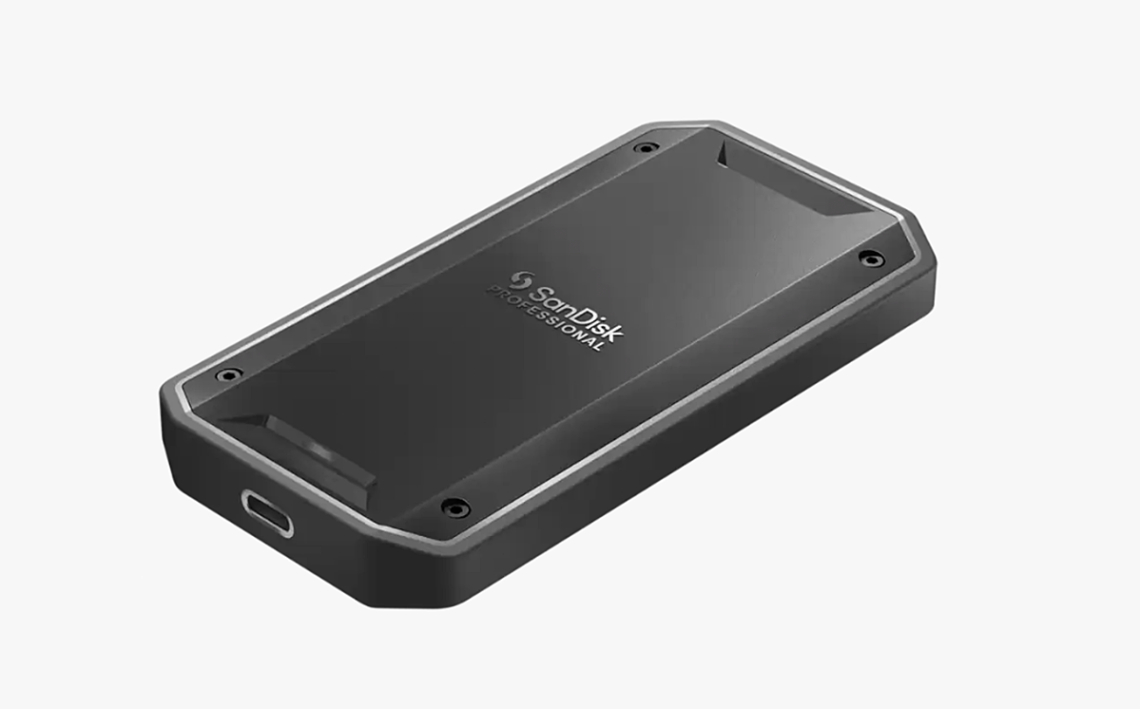
Black Friday Deals on Storage
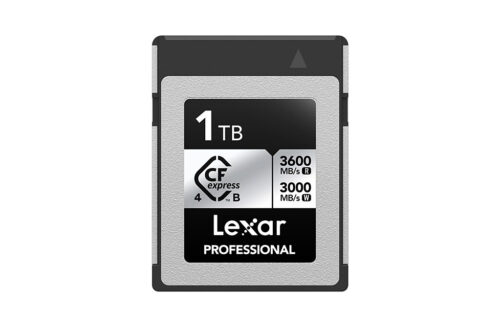
Software discounts on Black Friday always seem appealing, but the timing often feels inconvenient for me. It seems like the focus is more on attracting new customers rather than rewarding loyal ones. Switching to new software can be tempting, but it often means losing out on what I’ve already invested in. This year, however, there’s a noticeable emphasis on storage solutions, which feels much easier to justify and purchase. Last year, I reviewed the SanDisk Extreme Pro G-40 SSD here. I was impressed, but the deals were pretty modest at the time. This year, SanDisk seems to be more proactive, offering great prices on their 2TB and 4TB models, although…
Fujifilm Fujinon GF50mm F3.5 R LM WR lens review
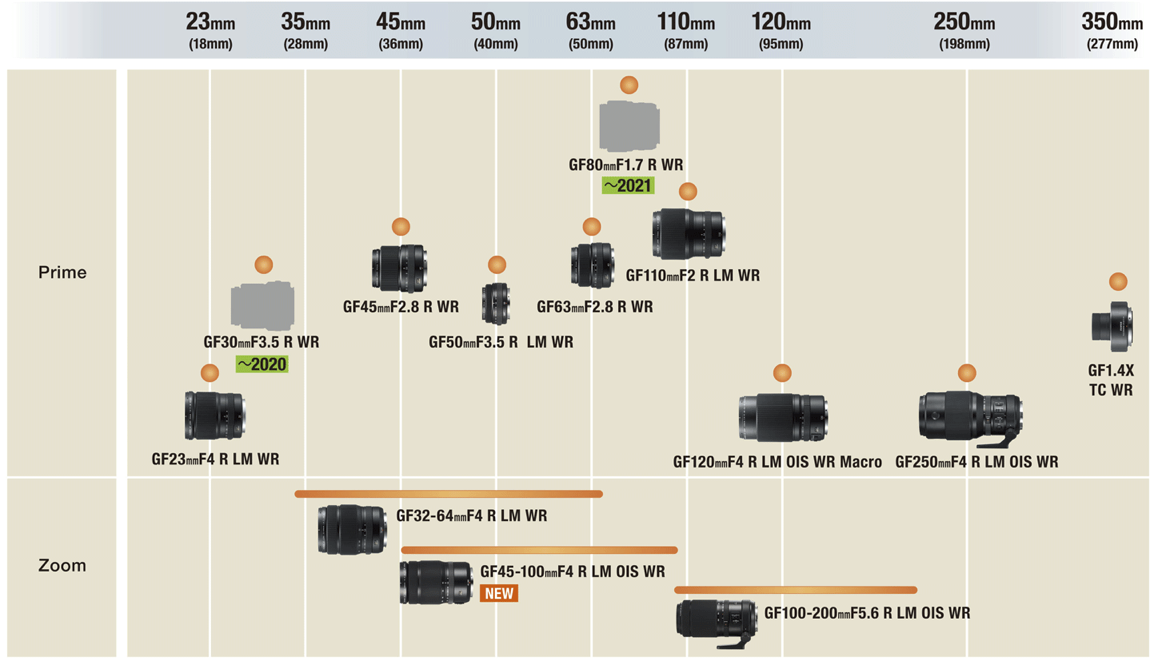
What is it? The Fujifilm Fujinon GF50mm is a highly compact and relatively lightweight lens for Fujifilm medium format mirrorless cameras. It’s the equivalent of a 40mm on a full-frame 35mm camera, and at one time, back in the 70s, this focal length was hugely popular. Much of that had to do with price, as they competed with medium-speed (F1.8/2) 50mms – the kit lenses of the day – and were often sold as a more affordable alternative. These smaller and lighter 3-group, 4-element Tessar “pancake” designs were and still are highly compelling. Indeed, today the Olympus Zuiko 40mm F2 is around £600, secondhand, and the Contax Zeiss T* 45mm…
Novoflex announce the Qube: a modular geared head to rival the Arca Swiss Cube
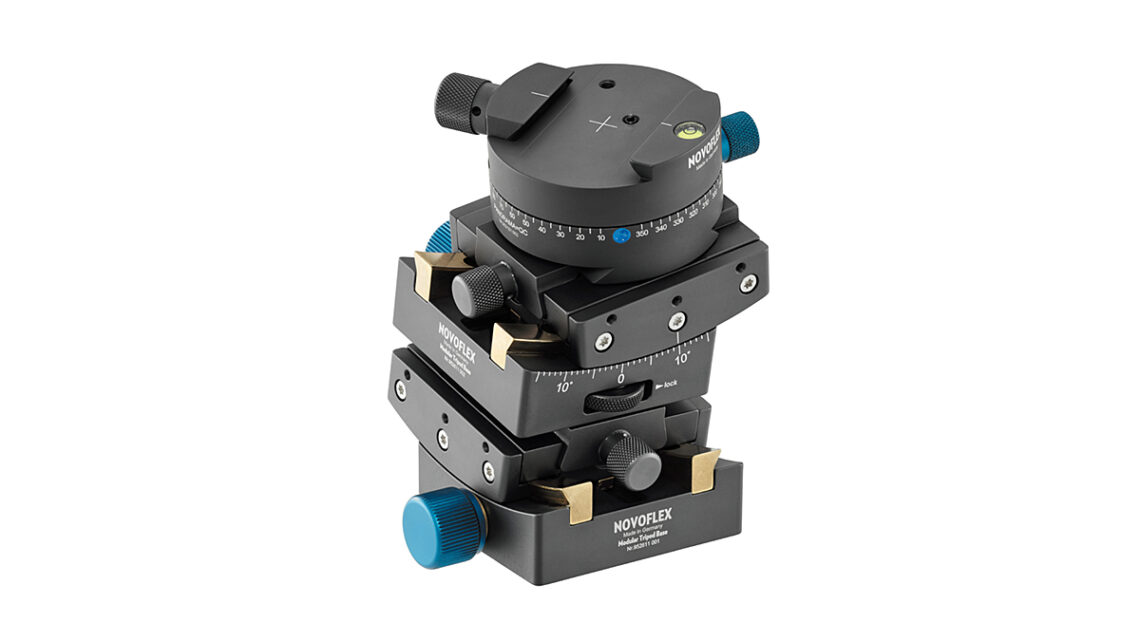
Novoflex has announced the Qube, a geared head potentially aimed at Arca Swiss Cube users. With brass guides, the Qube looks to be robust, particularly as there are no geared teeth visible in the supplied photo. Cube users will know that the geared teeth are susceptible to wear and are easily damaged in the field. However, it’s not clear from the photographs or the text from Novoflex how the geared movement on the Qube is employed and what, if any, steps have been taken to ensure reliability during everyday use. Neither does the press release mention the most likely potential customers for the new head; namely architecture, landscape and studio…
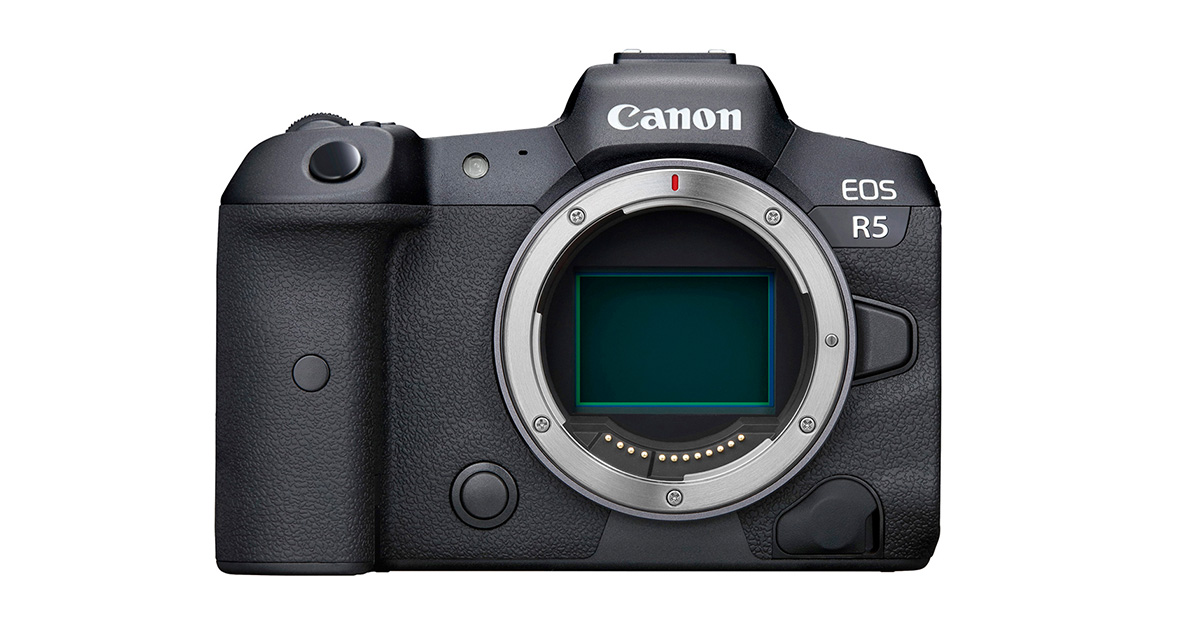
Canon EOS R5 Mark II commentary
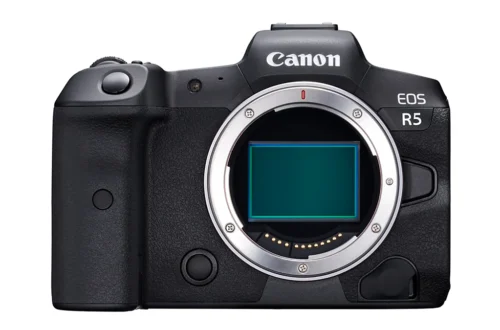
As a Canon EOS R5 user, I was interested in the launch of the Canon EOS R5 Mark II and, to a lesser degree, the new flagship Canon EOS R1, because the latter model would always be oriented at press/agency (sports) photographers. However, it appears that Canon is targeting the same group with the Canon EOS R5 II. Now we have three cameras aimed at photojournalists and two specifically at sports and action photographers, the EOS R1 and R3. For stills, the move to a stacked sensor enabled improved AF capabilities, including second-generation Eye Control (eye-controlled) AF, which debuted in the EOS R3, high-speed capture of up to 30fps, and…