Lenses
Filter sizes for Leica M lenses
As you might expect, Leica offers its range of UV filters, which are recommended for the protection of the front element in everyday use but also to prevent damage when cleaning. It’s much less worrying to clean a filter than a front element. However, I also recommend B+W (UV or Clear) filters, which, although made by the German brand Schneider-Kreuznach, tend to be slightly cheaper and yet are not considered inferior in any way. The XS-Pro, now replaced by the ‘Master’, features a thin brass frame and a Nano coating to facilitate easier cleaning. More competitively priced offerings include the excellent Breakthrough Photography UV X2 range and the Firecrest series…
Filter sizes for Fujinon GF lenses
When reviewing the Fujinon lenses, Fujifilm UK always send out samples with Fujinon Protector Filters, and I’ve been impressed with the way they handle flare and ghosting. Filters for lens protection seem to divide opinions; however, I’m strongly in favour of them. Not only do they prevent fumbling with lens caps (keep those for storage), but they’re also a lot easier to clean than the front element. The following is a work in progress, so the columns will be filled out in due course. Fujifilm doesn’t specify the pouches in their lens manuals or websites. Buy Fujifilm Fujinon Protect Filters [Affiliate links]: Amazon UK Amazon US As an Amazon…
Filter sizes for Canon EF lenses
Canon filter sizes are difficult to find, at least in a list form. At one time, all manufacturers went to the trouble to do so with printed brochures but now, with the internet, not so much. With the move to EOS R cameras and the highly capable and versatile EF-RF adaptors, the older EF lenses remain hugely popular. Indeed, with focusing accuracy as good if not better than the older DSLRs, especially when focused off-centre, EF lenses have seen a new lease of life. Filters for lens protection seem to divide opinions, however, I’m strongly in favour of them. Not only do they prevent fumbling with lens caps (keep those…
Filter sizes for Canon RF lenses
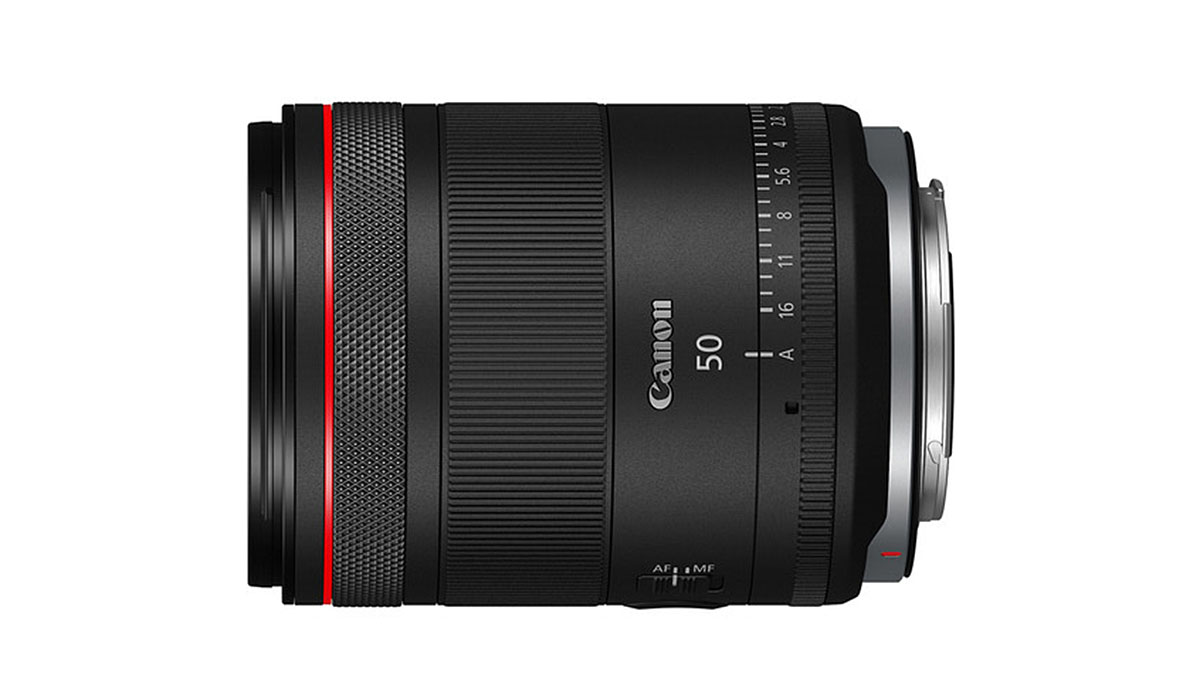
Manufacturers have favourite filter sizes. Canon, for example, often adopted 72mm and 77mm for L-series EF mount lenses but that has changed somewhat with the RF mount to 67mm, 77mm and 82mm being common sizes. Once a popular size on the original Canon FD breach-lock mount lenses from the 70s (not FDn), the 55mm filter thread size is also making a comeback. For Canon lenses, I recommend Canon ‘Protect’ or Protector filters as they’re extremely high quality. They’re also very reasonably priced, at least for the popular sizes. Sizes above 82mm are steep, though, so you could look for more competitive offerings such as the excellent Firecrest models for that…
Leica Q3 43 review
Leica’s Q3 43 builds on the success of the Q-series, adding a new 43mm F2 Apo lens to the 60 MP CMOS of the regular Leica Q3. Kevin Carter takes a look. With Canon and Nikon concentrating on niche genres like sports and action or the ‘content creator’, it’s hardly surprising when something like the Leica Q3 arrives to fill the void. And now it has been joined by the Leica Q3 43. While expensive, with better resale prices than rival makes when the time comes to upgrade, it is perhaps the most economical way into the Leica system. Small, light and discreet, the Leica Q3 43 shares the ergonomics…
Fujifilm Fujinon GF50mm F3.5 R LM WR specs
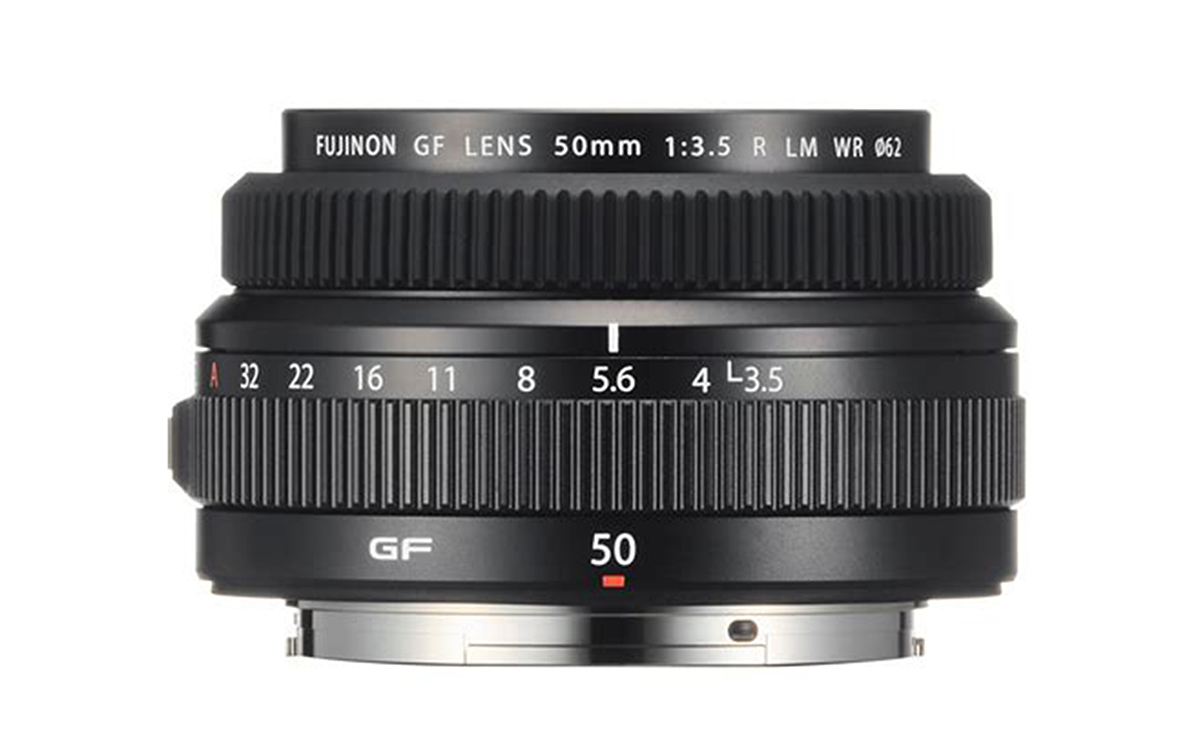
Technical Data Manufacturer Fujifilm Model Fujinon GF50mm F3.5 R LM WR Web www.fujifilm-X.com Elements/construction 9 elements in 6 groups (including 1 aspherical surface) Angle of view 57.4° (diagonal) 40mm equivalent Tilt/Shift n/a Max aperture F3.5 (9-blades, rounded) Min aperture F32 Min focus distance 0.55 m (1.8 in) Max magnification 0.1x Mount GF mount Filter size 62mm Length 48mm (1.89 in.) Diameter 88mm (3.31 in.) Weight 355g ( 11.2 oz) Price £949 inc VAT ($999) Read our review of the Fujifilm Fujinon GF50mm F3.5 R LM WR lens. Check price & availability: WEX UK | Amazon | Park Cameras UK B&H Photo US | Adorama | Amazon As an…
Fujifilm Fujinon GF50mm F3.5 R LM WR lens review
What is it? The Fujifilm Fujinon GF50mm is a highly compact and relatively lightweight lens for Fujifilm medium format mirrorless cameras. It’s the equivalent of a 40mm on a full-frame 35mm camera, and at one time, back in the 70s, this focal length was hugely popular. Much of that had to do with price, as they competed with medium-speed (F1.8/2) 50mms – the kit lenses of the day – and were often sold as a more affordable alternative. These smaller and lighter 3-group, 4-element Tessar “pancake” designs were and still are highly compelling. Indeed, today the Olympus Zuiko 40mm F2 is around £600, secondhand, and the Contax Zeiss T* 45mm…
Fujifilm Fujinon GF30mm F5.6 T/S review
What is it? The Fujifilm Fujinon GF30mm F5.6 T/S is a highly anticipated lens in the GFX system. Why? Because it’s the first serious challenger to the Canon TS-E lenses (and the Nikon PC Nikkors), which are routinely adapted to fit on the larger-sensor GFX cameras. As a 30mm lens designed to cover the 44x33mm MF sensor, it is the equivalent of a 24mm in full-frame 35mm terms and is, without doubt, the most popular focal length for architecture and interiors. The manual-focus lens will also appeal to landscape photographers. (Arguably, a 35mm tilt/shift might be as popular or even more so (the Nikon and Zeiss 35mm shift-only models are…
Nikon Nikkor Z 35mm F1.4 specs
Technical Data Manufacturer Nikon Model Nikkor Z 35mm F1.4 Web www.nikon.co.uk Elements/construction 11 elements in 9 groups Special glass types 2x Asph Aperture blades 9 rounded Angle of view 63° (diagonal) Max aperture F1.4 Min aperture F16 Min focus distance 0.27 m (10.6 in) Mount Z mount Filter size 62mm Length 86.5mm (3.4 in.) Diameter 74.5mm (2.93 in.) Weight 415g (0.91 lb) Price £650 inc VAT ($699) Check stock and prices Pre-order: WEX UK | Amazon | Park Cameras UK B&H Photo US | Adorama | Amazon
Fujifilm Fujinon GF30mm F5.6 T/S three-shot hand-held panorama at maximum shift (± 15mm)
Handheld three-shot pano with GF30mm F5.6 T/S, totalling 175 MP. As this was shot without a tripod, there’s quite a bit of overlap in the centre, but what’s of interest here is that maximum shift ±15mm has been applied to show the worst case. Focus was confirmed using magnified LV, which is my preferred option of the various focusing aids. This three-shot pano was stitched in Lightroom Classic with an automatic (built-in) lens profile applied, which can’t be turned off. Still, no further ‘manual’ corrections were made to display the vignetting, and it’s no big deal, as it could be cleaned up. Automatic profiles like this don’t show what’s…