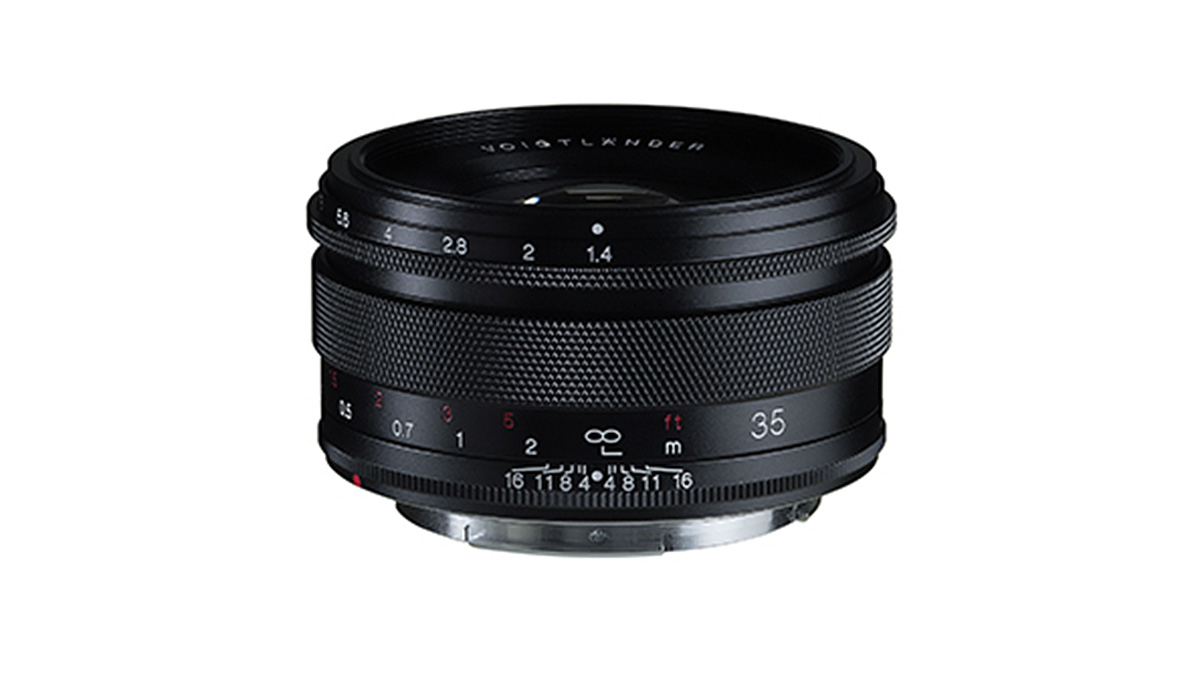
Voigtländer Expands Nokton Classic 35mm F1.4 Lineup with RF and Z Mount Options
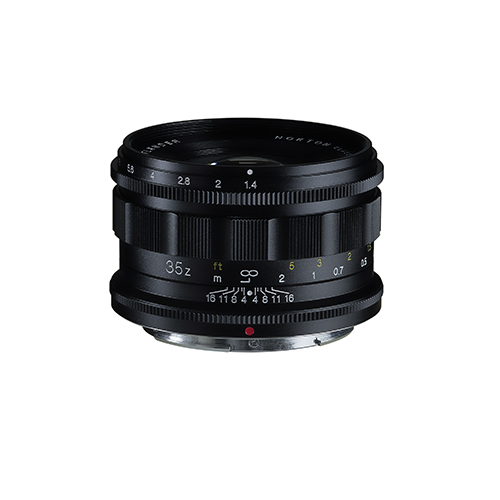
Cosina, better known as the OEM behind Zeiss’s Otus and Milvus lines and the maker of Voigtländer lenses, officially added a Voigtländer Nokton Classic 35mm F1.4 for Canon RF and Nikon Z mounts to its lineup after first showing it at Japan’s CP+ show earlier this year.
The lens is already available for the Sony E-mount, which in turn is derived from the M-mount version that has been a favourite of photographers for some time.
Both RF and Z-mount versions use the same double-Gauss optical formula: eight elements in six groups.

Although the lens incorporates modern optical technologies, including ultra-high-refractive glass, Cosina intentionally left some spherical aberration uncorrected to recreate the softer, more delicate rendering of vintage optics, especially at and near wide-open apertures. The company says this contributes to pleasing out-of-focus transitions (bokeh). Stopping down increases sharpness and changes the lens’s character, giving photographers flexibility in rendering.
The aperture is a 10-blade, highly circular design to produce more attractive, rounded highlights from point light sources when stopped down.
Critics might note that, as a manual-focus-only lens, the Nokton Classic 35mm F1.4 doesn’t strictly require the mitigating of spherical aberration, at least technically speaking. AF systems struggle to focus accurately where SA is present, which is one of the reasons why we’ve seen improved sharpness at and near initial apertures. Nevertheless, this new lens remains an appealing option for Canon RF and Nikon Z shooters.
Nikon users may remember the similar philosophy behind the AF-S Nikkor 58mm F1.4, which received criticism for its softness wide open (though some reviewers praised the choice, me being one). That lens’s high price partly drove the reaction; the new Voigtländer is more affordable.
In Japan, the price is listed at 90,000 Yen (£478 plus VAT) with availability in July, though UK pricing and availability haven’t been announced at the time of publishing.
Update 19/6/26: The price in the UK is £499 inc VAT for both versions. Delivery is expected sometime in July. The lens can be purchased in the UK via the Bournemouth-based specialist retailer Robert White.
Cosina has also released a somewhat eccentric but equally charming promotional video for the lens.
For more information, including sample photographs, please visit the Cosina website (Japanese)