Fujifilm GFX100S II review
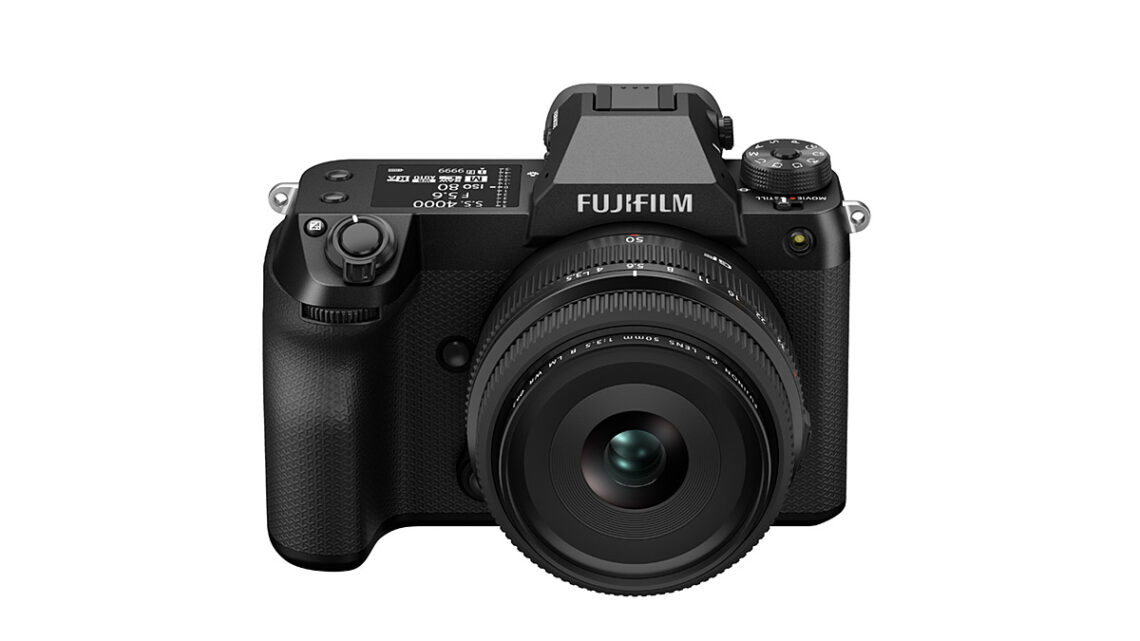
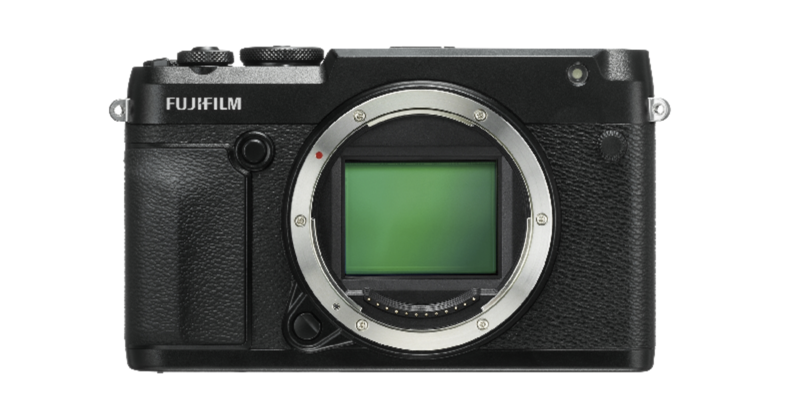
What is it? Released in June, 2024, the Fujifilm GFX100S II is an update to the Fujifilm GFX100S, the smaller, more compact model that sits just beneath the flagship Fujifilm GFX100 II. It features a slightly upgraded 100MP sensor with a revised microlens structure, which is said to improve image quality at the periphery and AF accuracy out towards the edges of the frame. The redesigned sensor also features a new lower ISO base of 80, which is claimed to deliver lower noise and a wider dynamic range than the GFX100S. Further refinements include AI-assisted subject detection AF and improved continuous shooting speed of up to 7.0 frames per second.…
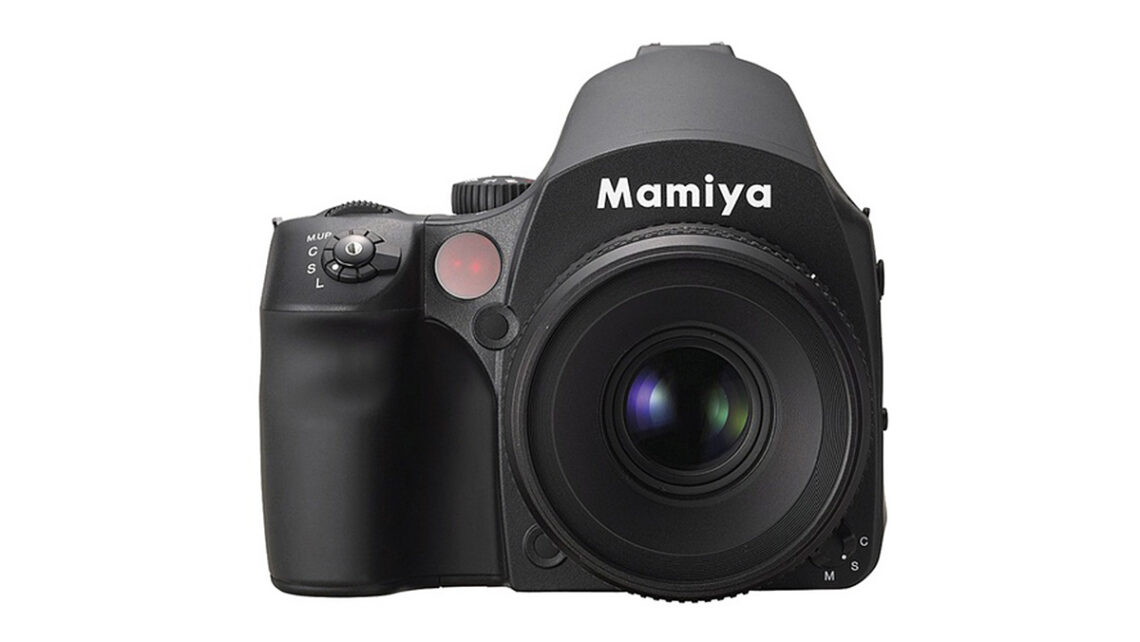
Mamiya DM33 review
An edited version of my review originally featured over a decade ago in Hotshoe International magazine. With the closure of Franke and Heidecke*, the medium format market has been dominated by just two players: Hasselblad and Phase One. Hasselblad has since chosen a closed system on their H4D series, preventing third-party backs from being fitted, while digital back-maker Phase One hastily became the majority shareholder of Mamiya. Phase One also deftly acquired the assets of back-maker Leaf from Kodak recently, giving the company a second line. Leaf’s higher-end backs are still marketed using their brand-name, but the three so-called “entry-level” 22/28/33-megapixel Aptus II models are being re-branded as the…
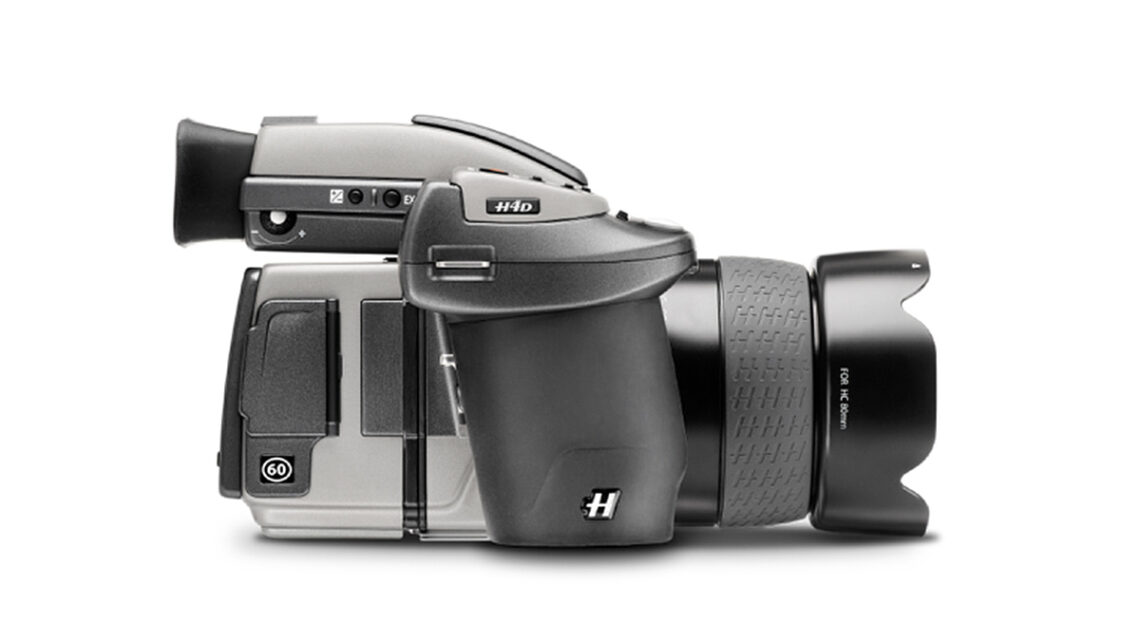
From the past: Hasselblad H4D 60 review
An edited version of my review was published over a decade ago in F2 Freelance Photographer magazine. The last couple of decades have been turbulent for medium-format camera manufacturers, but now, after several well-known names have withdrawn, the market looks reasonably healthy. Two new unexpected entrants, Leica and Pentax, have added to the dynamic at opposing ends of the pricing scale, forcing the two established system players to compete fiercely in their traditional, rarefied role as well as in the “entry-level.” Partnering with both Leaf and Mamiya, Phase One has developed a trio of “entry-level” Mamiya DM models starting at under $14k/ £9k while continuing to offer a wide range of…
Fujifilm Fujinon GF50mm F3.5 R LM WR specs
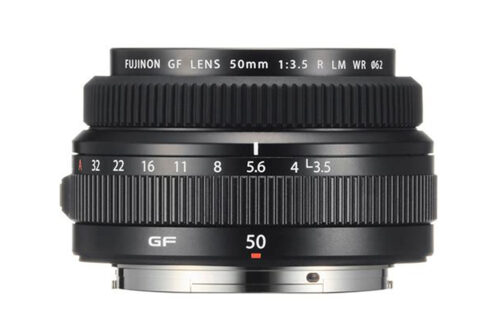
Technical Data Manufacturer Fujifilm Model Fujinon GF50mm F3.5 R LM WR Web www.fujifilm-X.com Elements/construction 9 elements in 6 groups (including 1 aspherical surface) Angle of view 57.4° (diagonal) 40mm equivalent Tilt/Shift n/a Max aperture F3.5 (9-blades, rounded) Min aperture F32 Min focus distance 0.55 m (1.8 in) Max magnification 0.1x Mount GF mount Filter size 62mm Length 48mm (1.89 in.) Diameter 88mm (3.31 in.) Weight 355g ( 11.2 oz) Price £949 inc VAT ($999) Read our review of the Fujifilm Fujinon GF50mm F3.5 R LM WR lens. Check price & availability: WEX UK | Amazon | Park Cameras UK B&H Photo US | Adorama | Amazon As an…
Fujifilm Fujinon GF50mm F3.5 R LM WR lens review
What is it? The Fujifilm Fujinon GF50mm is a highly compact and relatively lightweight lens for Fujifilm medium format mirrorless cameras. It’s the equivalent of a 40mm on a full-frame 35mm camera, and at one time, back in the 70s, this focal length was hugely popular. Much of that had to do with price, as they competed with medium-speed (F1.8/2) 50mms – the kit lenses of the day – and were often sold as a more affordable alternative. These smaller and lighter 3-group, 4-element Tessar “pancake” designs were and still are highly compelling. Indeed, today the Olympus Zuiko 40mm F2 is around £600, secondhand, and the Contax Zeiss T* 45mm…
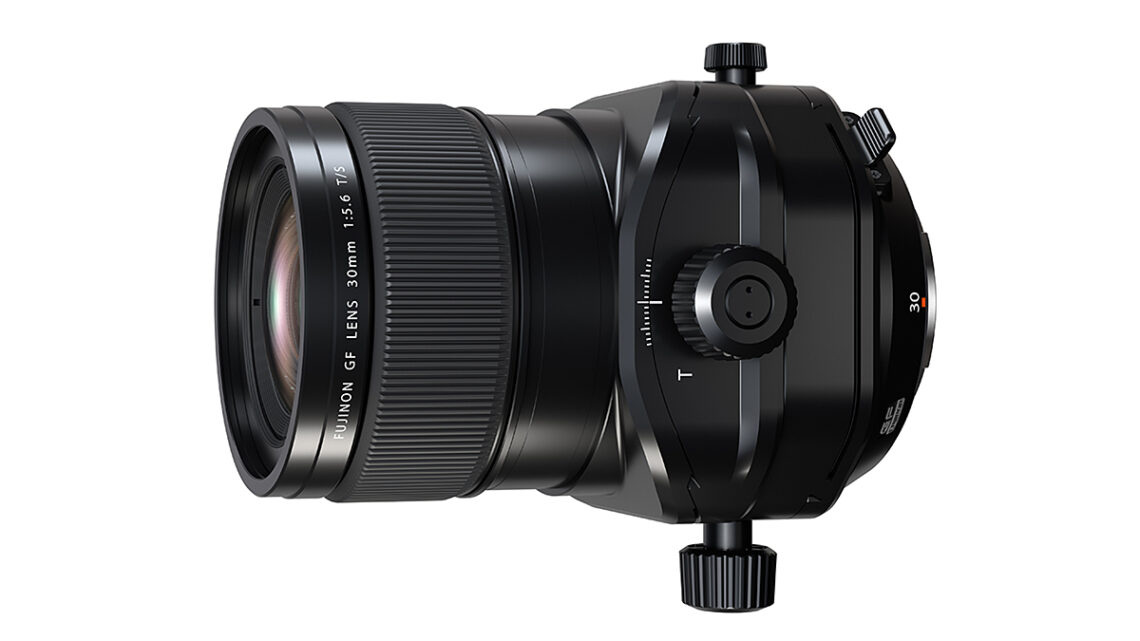
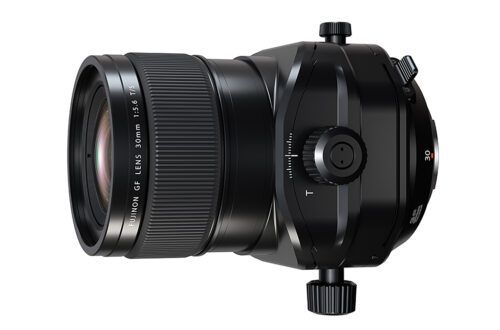
Fujifilm Fujinon GF30mm F5.6 T/S review
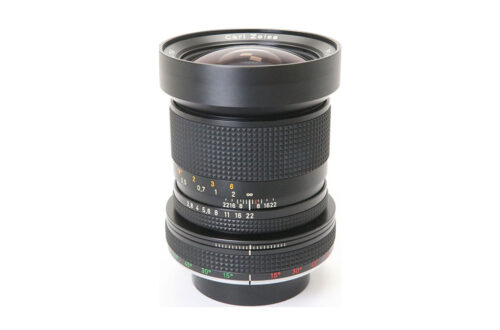
What is it? The Fujifilm Fujinon GF30mm F5.6 T/S is a highly anticipated lens in the GFX system. Why? Because it’s the first serious challenger to the Canon TS-E lenses (and the Nikon PC Nikkors), which are routinely adapted to fit on the larger-sensor GFX cameras. As a 30mm lens designed to cover the 44x33mm MF sensor, it is the equivalent of a 24mm in full-frame 35mm terms and is, without doubt, the most popular focal length for architecture and interiors. The manual-focus lens will also appeal to landscape photographers. (Arguably, a 35mm tilt/shift might be as popular or even more so (the Nikon and Zeiss 35mm shift-only models are…
Fujifilm Fujinon GF20-35mm F4 R WR specs
Technical Data Manufacturer Fujifilm – Fujinon Model Fujinon GF20-35mm F4 R WR (equivalent to 16-28mm in 35mm format) Web www.fujifilm-x.com Elements/construction 14 elements in 10 groups Angle of view 108° to 76° (diagonal) Max aperture F4 Min aperture F22 Min focus distance 0.35 m (13.8″) Mount G mount Filter size 82mm Length 112.5 mm (4 in.) Diameter 88.5 mm (3.5 in.) Weight 725 g (25.6 oz) Price £2349 inc VAT ($2,499) Read our review here. Check stock and prices of the Fujifilm Fujinon GF20-35mm F4 R WR at the following retailers: WEX Photo (UK)| Park Cameras (UK) | MPB Used (UK) B&H Photo (US) | Adorama (US) | KEH…
Fujifilm Fujinon GF20-35mm F4 R WR lens review
Fujifiilm’s lens division Fujinon has introduced an ultrawide-angle zoom for its medium format GFX mirrorless cameras. Kevin Carter looks closer Fujifilm’s GFX medium format cameras offer the compactness of mirrorless with the benefit of a generous 44x33mm sensor, so thumping great big lenses for full-frame 54x40mm 645 DSLRs is becoming less of a thing. Indeed, as Fujinon used to supply the components for Hasselblad’s now discontinued HC/HCD models for the H series cameras (which were then assembled in Sweden according to my contact at Hasselblad), it’s little surprise that they’re not only filling that void but expanding what’s on offer with their brand of lenses. These GF lenses don’t…
Fujifilm GFX 50R Medium Format camera price reduced, showing as discontinued
Several UK retailers have the Fujifilm GFX 50R medium Format camera reduced currently, from £3199 to just £2199 at WEX [advertiser link]. Park Cameras in the UK has it listed as discontinued and has one demo body left.
Black and White Conversion using Capture One Pro
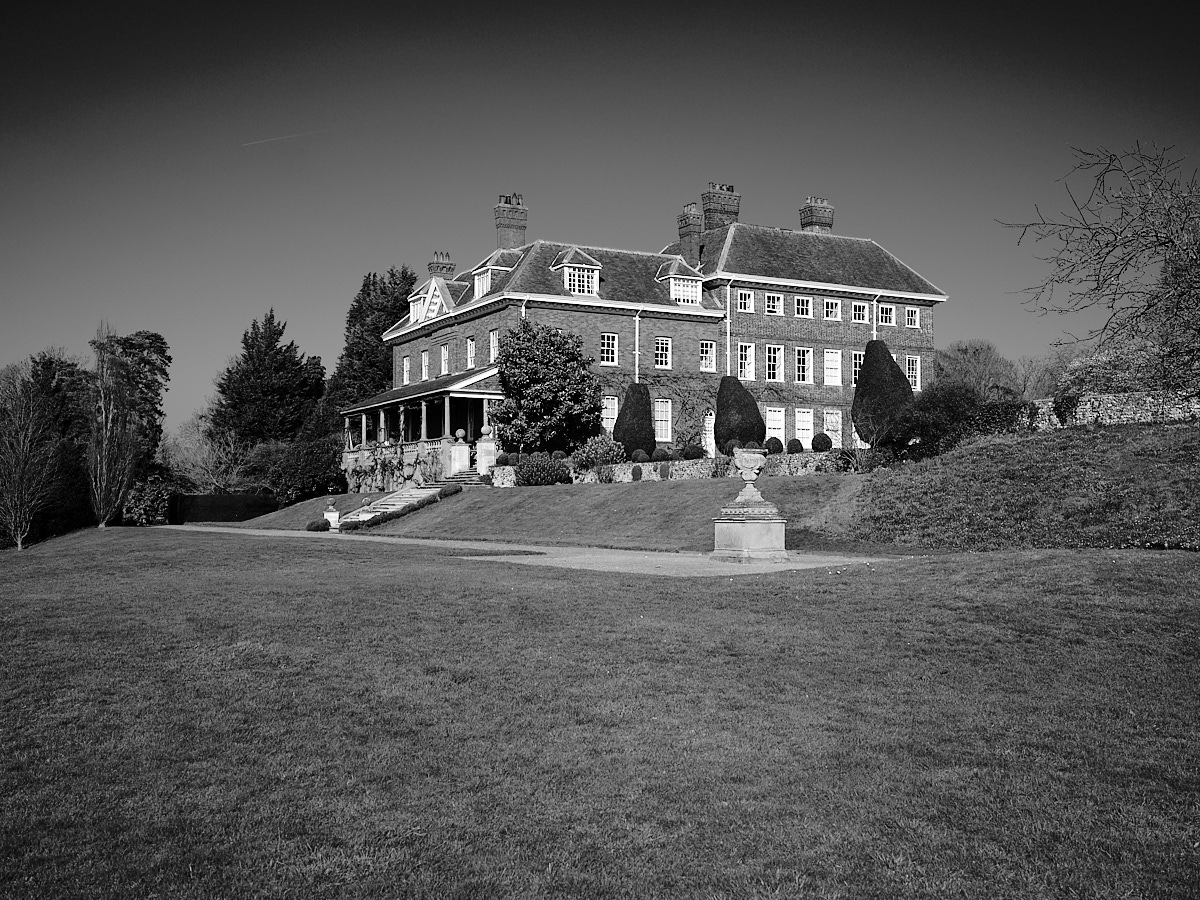
Capture One Pro has one of the best (if not the best) B&W conversion options of any software application to date. Here we give you a mini-sampler of its capabilities. Black and white images are probably most authentic and compelling when the original image was conceived with the idea of it being in mono. Typically that means it was originally composed without strong colour influences, but that’s not necessarily so. Take the image above as an example, it was one of a series captured with the 50MP Fujifilm GFX-50R and the 45mm F2.8, equivalent to a FF 35mm, and it works well either in colour or B&W. So how do…